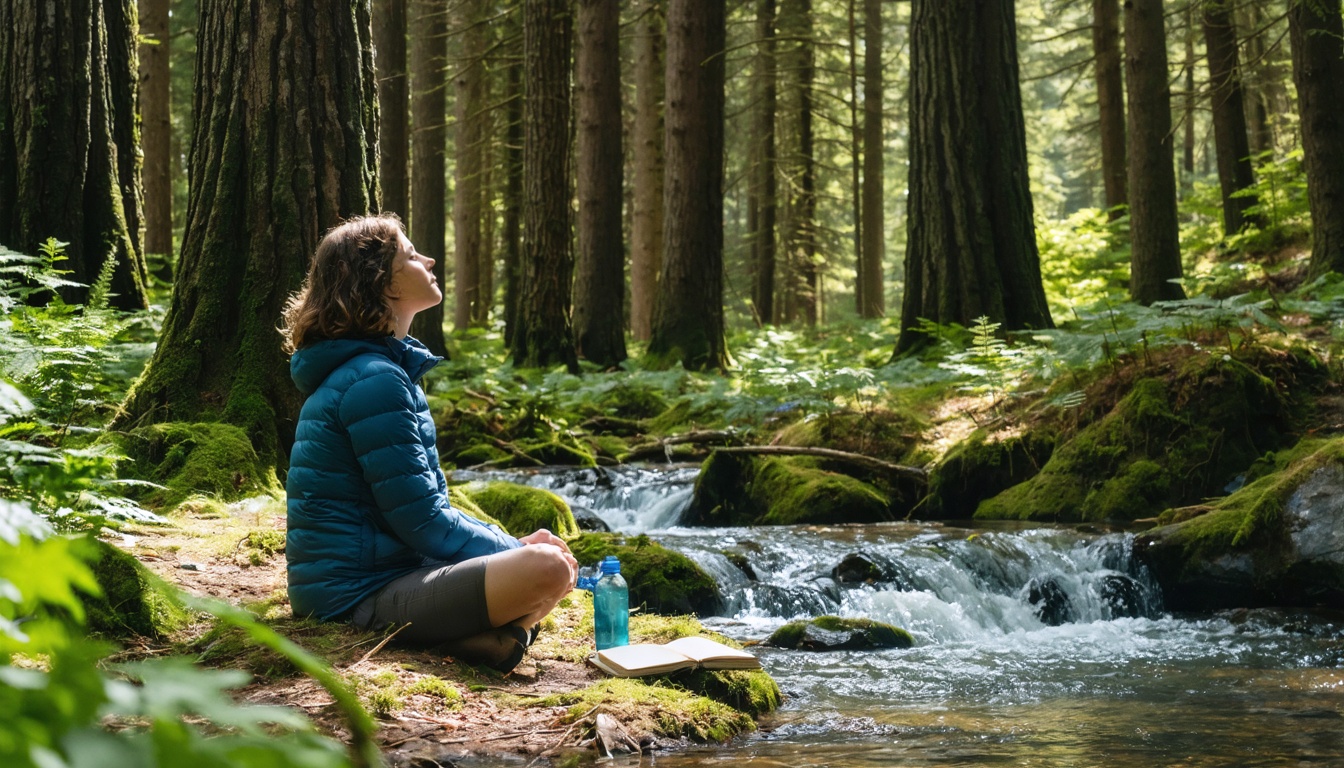
How Nature Can Support Addiction Recovery
If you’re facing the challenges of addiction recovery, you might not realize how powerful a simple walk in the park can be. Nature does more than offer fresh air; it can calm your mind, ease stress, and help build healthier habits. As you spend time outdoors, you may find new ways to manage cravings and connect with others. To explore the many benefits of nature in addiction recovery, consider reading more about this topic at [insert link here]. What’s more, nature’s unpredictability might mirror your own journey in unexpected and helpful ways.
The Scope and Impact of Substance Abuse
Substance abuse represents a considerable challenge on a global scale, with an estimated 296 million individuals using drugs over the past decade, marking a 23% increase that indicates a growing urgency surrounding the issue. Individuals grappling with addiction, as well as those supporting them, experience the pervasive effects of substance use disorders, including withdrawal symptoms and various behavioral health challenges that affect adults across the globe.
Health care systems experience significant strain as drug and alcohol dependence is frequently linked to a range of additional health issues such as anxiety, depression, cardiovascular diseases, and elevated levels of stress hormones. These interconnected health concerns necessitate a comprehensive approach to treatment.
Commonly utilized treatment options, including detoxification, outpatient programs, and mindfulness-based interventions, have shown efficacy in supporting individuals in recovery. However, the increasing prevalence of substance abuse indicates that current measures may be insufficient to meet the growing needs of affected populations.
Experts in the field emphasize the importance of education and evidence-based practices as critical components in addressing substance abuse.
It is essential for those affected to seek informed guidance and take proactive steps towards recovery. If assistance is required, it is advisable to reach out to qualified professionals for support.
For more resources on this topic, please visit https://massillondrugtreatmentcenters.com/ for comprehensive information and strategies.
Evidence for Nature-Based Interventions in Recovery
Recent research highlights the efficacy of nature-based interventions as supportive components in addiction recovery. Evidence suggests that consistent interaction with green spaces and participation in outdoor activities, such as hiking, are linked to reductions in substance use, decreased stress levels, improved mental health, and better emotional regulation.
A systematic review of the literature indicated that approximately 85% of studies examining the effects of nature-based interventions on adults undergoing drug and alcohol treatment reported favorable outcomes. Furthermore, participants in detoxification and outpatient programs who engaged in activities such as walking or listening to natural sounds exhibited lower levels of the stress hormone cortisol, as well as reduced anxiety and depression symptoms.
These factors collectively contribute to enhanced recovery outcomes.
For individuals seeking assistance with addiction, it is advisable to explore a range of supportive strategies. Integrating nature-based approaches into their recovery process can be particularly beneficial.
For more in-depth insights, please refer to the [source here](https://www.example.com/link-to-full-study).
Overall, incorporating nature into addiction recovery may offer a holistic avenue for healing and support.
Mechanisms Linking Nature Exposure and Emotional Well-Being
The relationship between nature exposure and mental health has been the subject of empirical research for several years. Recent studies have elucidated various mechanisms that explain how time spent outdoors may contribute to emotional well-being. Activities such as hiking or walking in natural environments have been shown to facilitate reductions in cortisol levels, a hormone associated with stress, anxiety, and depression, particularly in the context of addiction recovery.
Engaging with green spaces appears to promote emotional regulation and mindfulness, which are critical in enhancing overall mental health. This interaction may help to restore balance in the brain's reward systems, thus contributing to feelings of sustained well-being.
Furthermore, accumulating evidence suggests that regular outdoor activity correlates with lower stress levels and improved mental health outcomes across diverse populations, including adults, clients in recovery, First Responders, and individuals overcoming substance use disorders.
Additionally, the integration of nature exposure into various therapeutic practices can provide an effective strategy for addressing mental health challenges. As the connection between nature and well-being continues to be studied, it becomes increasingly clear that spending time outdoors can serve as a powerful tool for improving emotional resilience and overall mental health.
These findings underscore the significance of incorporating nature exposure into therapeutic practices and highlight its potential as a preventative measure for mental health challenges.
Nature’s Role in Stress Reduction and Mental Health
Research indicates that even brief interactions with natural environments can positively impact stress reduction and mental health, particularly for individuals engaged in addiction recovery. Regular exposure to green spaces, through activities such as walking or spending time outdoors, has been shown to lower cortisol levels, which is a hormone associated with stress and withdrawal symptoms.
Furthermore, studies demonstrate that nature facilitates emotional regulation, significantly alleviating anxiety and depression among adults recovering from substance use disorders. Engaging in outdoor activities, such as hiking, has been linked to fewer treatment barriers and improved mental health outcomes.
Green spaces can provide a sense of calm and temporary relief, which can benefit clients, professionals in the recovery field, and alumni of treatment programs. For more detailed insights on the relationship between nature and mental health, explore resources available at [insert link here].
In summary, integrating natural settings into recovery strategies may enhance therapeutic processes and support overall mental wellness.
Enhancing Mindfulness and Cognitive Function Through Nature
Engagement with natural environments has been shown to enhance mindfulness, a valuable skill particularly relevant in the context of addiction recovery. Research indicates that spending time in green spaces can facilitate a greater awareness of the present moment, which is beneficial for individuals navigating the recovery process.
Activities such as outdoor walking, hiking, and immersing oneself in nature have been correlated with reductions in stress hormones and improved emotional well-being, potentially mitigating symptoms of anxiety and depression.
Moreover, mindful engagement with nature not only lowers stress levels but also supports emotional regulation and cognitive function. Numerous studies affirm that regular exposure to nature can lead to measurable improvements in mental health outcomes.
For individuals or families seeking support in the recovery journey, it is advisable to explore professional assistance or outpatient treatment options tailored to their needs.
Engaging with nature can be a complementary approach in these treatment options, providing a holistic strategy for mental health and well-being.
Physical Health and Immunity Benefits of Outdoor Activities
Engagement in outdoor activities is essential not only for emotional well-being but also for enhancing physical health and bolstering the immune system. Research indicates that regular interaction with natural environments, including pursuits such as hiking and walking, facilitates improvements in cardiovascular health and contributes to the reduction of cortisol levels, which are associated with stress.
Furthermore, numerous studies have demonstrated a correlation between time spent outdoors and lower incidences of anxiety and depression. These mental health conditions often serve as significant obstacles in the contexts of addiction and withdrawal. The auditory experiences provided by natural settings, such as the sounds of wildlife and flowing water, have been shown to enhance relaxation and contribute to decreased stress levels.
Additionally, the exposure to sunlight is a key factor in Vitamin D synthesis, which plays a crucial role in immune system functionality. This connection between nature and health is vital for comprehensive wellness. For those interested in exploring how outdoor activities can specifically improve health outcomes, you can find more information here.
The cumulative benefits of outdoor activities extend to behavioral health, as many clients, alumni, and professionals in the field have documented positive outcomes linked to outdoor engagement.
In summary, the integration of outdoor activities into recovery programs can serve as a vital component in supporting both physical and mental health processes while fostering resilience and overall wellness.
Integrating Nature-Based Approaches Into Treatment and Community Programs
Integrating nature-based approaches into addiction recovery treatment programs presents several evidence-based benefits. Research indicates that regular exposure to green spaces, walking, and outdoor activities, such as hiking, is correlated with decreased substance use and lower levels of stress hormones. Furthermore, these activities have been shown to assist individuals in managing withdrawal symptoms, as well as alleviating anxiety and depression, thereby enhancing emotional regulation and promoting mindfulness.
Community programs that incorporate these nature-based elements facilitate connections among alumni, first responders, and family members, which may help reduce mental health barriers associated with addiction recovery. Health professionals increasingly advocate for the inclusion of outdoor activities in recovery protocols, recognizing their potential to enhance mental and behavioral health outcomes.
You can explore more about these nature-based strategies and their benefits by visiting additional professional resources dedicated to this approach.
For those seeking support, it is worth noting that nature-based strategies represent a promising adjunct to traditional recovery methods. For further guidance, please consider reaching out to professional resources dedicated to this approach.
Policy Considerations and Future Directions for Nature Therapy
Recent research highlights the public health benefits of incorporating nature-based interventions within clinical and community frameworks aimed at addiction recovery. It is essential for policy development to address obstacles such as the limited availability of green spaces, which can hinder the ability of adults, alumni, and first responders to meet their recovery objectives.
Activities that promote outdoor engagement, such as walking and spending time in nature, have been shown to reduce cortisol levels, thereby alleviating stress, and can contribute to lower rates of anxiety and depression. These benefits are particularly relevant for individuals dealing with substance use disorders. For more information on the connection between nature therapy and addiction recovery, please visit [insert link here].
To effectively implement these interventions, collaboration among behavioral health professionals, non-governmental organizations, and healthcare providers is crucial. Policies that facilitate regular access to green spaces can play a significant role in mitigating withdrawal symptoms, reducing the risk of cardiovascular disease, and enhancing mental health.
Such approaches can lead to improved overall mental health outcomes for individuals in recovery. It is important for stakeholders to consider these findings when developing policies aimed at supporting addiction recovery and promoting public health.
Conclusion
When you integrate nature into your recovery, you equip yourself with a powerful and sustainable support system. Engaging with green spaces, participating in outdoor activities, and practicing mindfulness outdoors directly benefit both your mental and physical health. Nature’s unpredictability along with its calming effects foster resilience and a sense of community, providing you with healthy outlets and long-term coping strategies. As you progress in your recovery, let nature play a consistent role in your routine. This can help you maintain stability and prevent relapse, ultimately promoting lasting well-being beyond formal treatment. For more information on how to incorporate nature into your recovery process, you can visit this helpful resource that offers a wealth of strategies for utilizing the healing power of the outdoors. By allowing nature to be a vital part of your journey, you can strengthen your connection to the world around you and enhance your overall recovery experience.